Best Car Museums in Japan: Tokyo, Fuji, Nagoya, and More
Japan car events, every Monday.
Free. Unsubscribe anytime. Details
On This Page
Japan has some of the best automotive museums in the world, but the format varies a lot. Some places are proper museums with deep collections and historical context. Others are more like brand galleries or flagship showrooms that still happen to be worth a stop if you care about Japanese car culture.
If you are trying to build a car-focused trip around Tokyo, Fuji, or Nagoya, this is the best starting point. It covers the strongest museum and showroom-style stops, what each one is best for, and how to fit them into a wider Japan itinerary.
Best Car Museums in Japan at a Glance
- Best overall motorsport museum: Fuji Motorsports Museum
- Best brand museum: Toyota Automobile Museum
- Best easy Tokyo stop: Nissan Crossing
- Best engineering / industrial-history stop: Toyota Commemorative Museum
- Best modern showroom-style gallery: Nissan Global Headquarters Gallery
- For Nissan's historic collection: Nissan Heritage Collection in Zama, with an advance tour reservation
What Counts as a Car Museum in Japan?
In Japan, the line between museum, showroom, and brand gallery is not always clean.
You will usually see three types of places:
- Full museums with historical collections
- Brand galleries with rotating displays and concept cars
- Industrial or technology museums that explain how the automotive industry evolved
That matters because the best stop for you depends on what you actually want:
- historic road cars
- motorsport
- brand heritage
- engineering and manufacturing
Best Museums and Automotive Galleries in Japan
1. Nissan Crossing
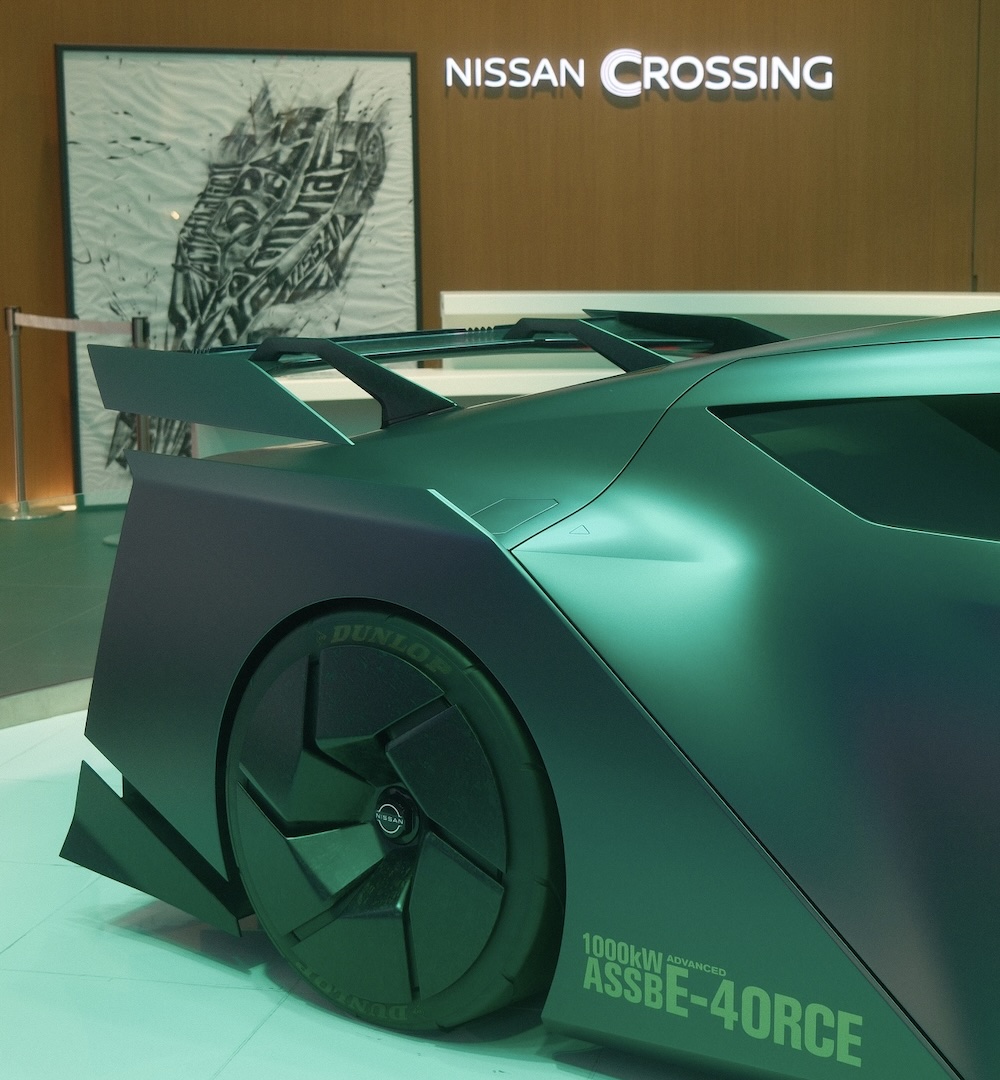
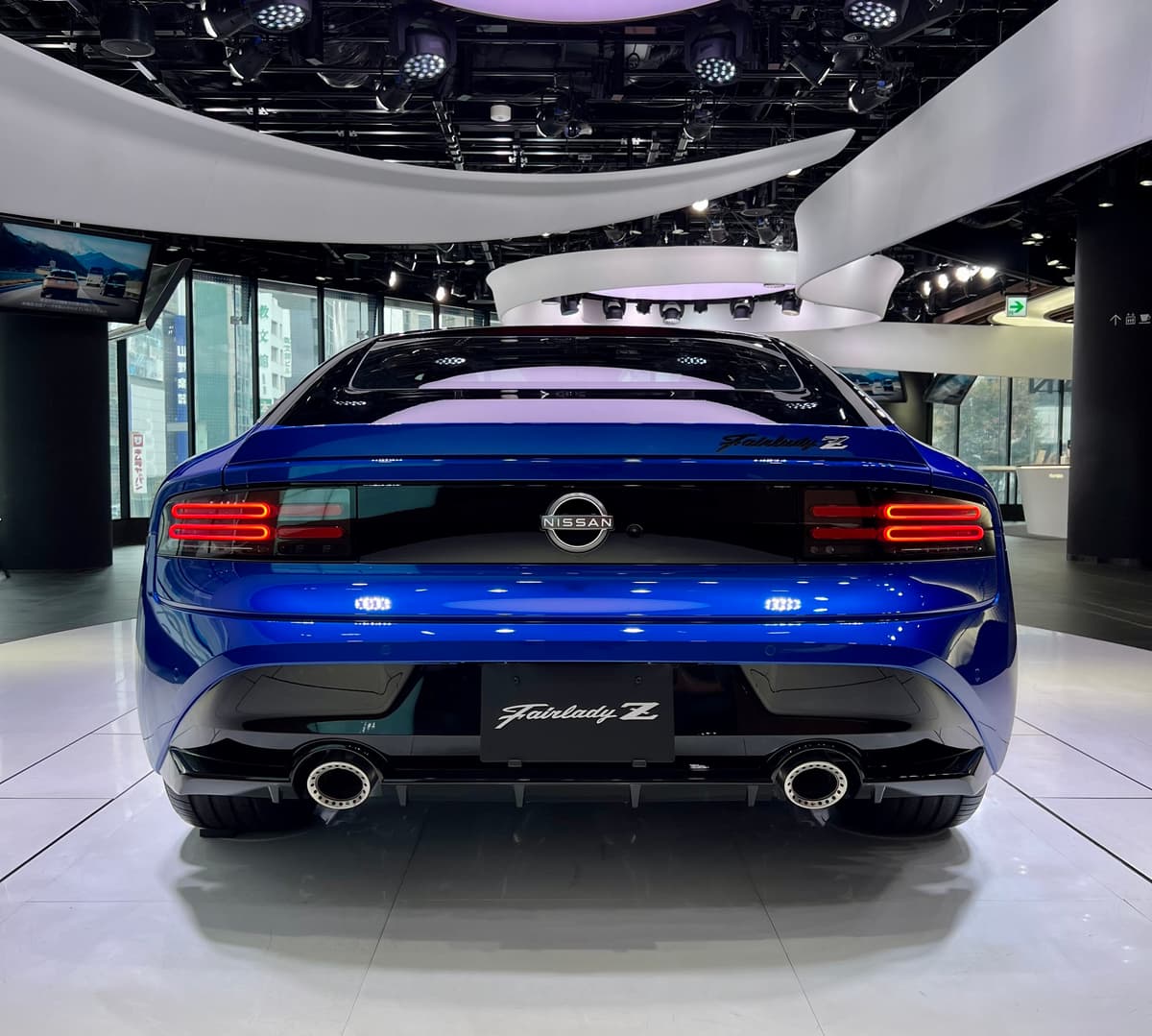
Located in Ginza, Nissan Crossing is not a traditional museum, but it is one of the easiest automotive stops to fit into a Tokyo trip. Displays rotate, the location is central, and it often gives you a quick look at current Nissan performance and technology direction.
Best for:
- easy Tokyo access
- current Nissan design and concept displays
- adding a car stop to a non-car day in Ginza
Why it works well:
-
central location
-
free entry
-
very easy to pair with wider Tokyo sightseeing
2. Nissan Global Headquarters Gallery
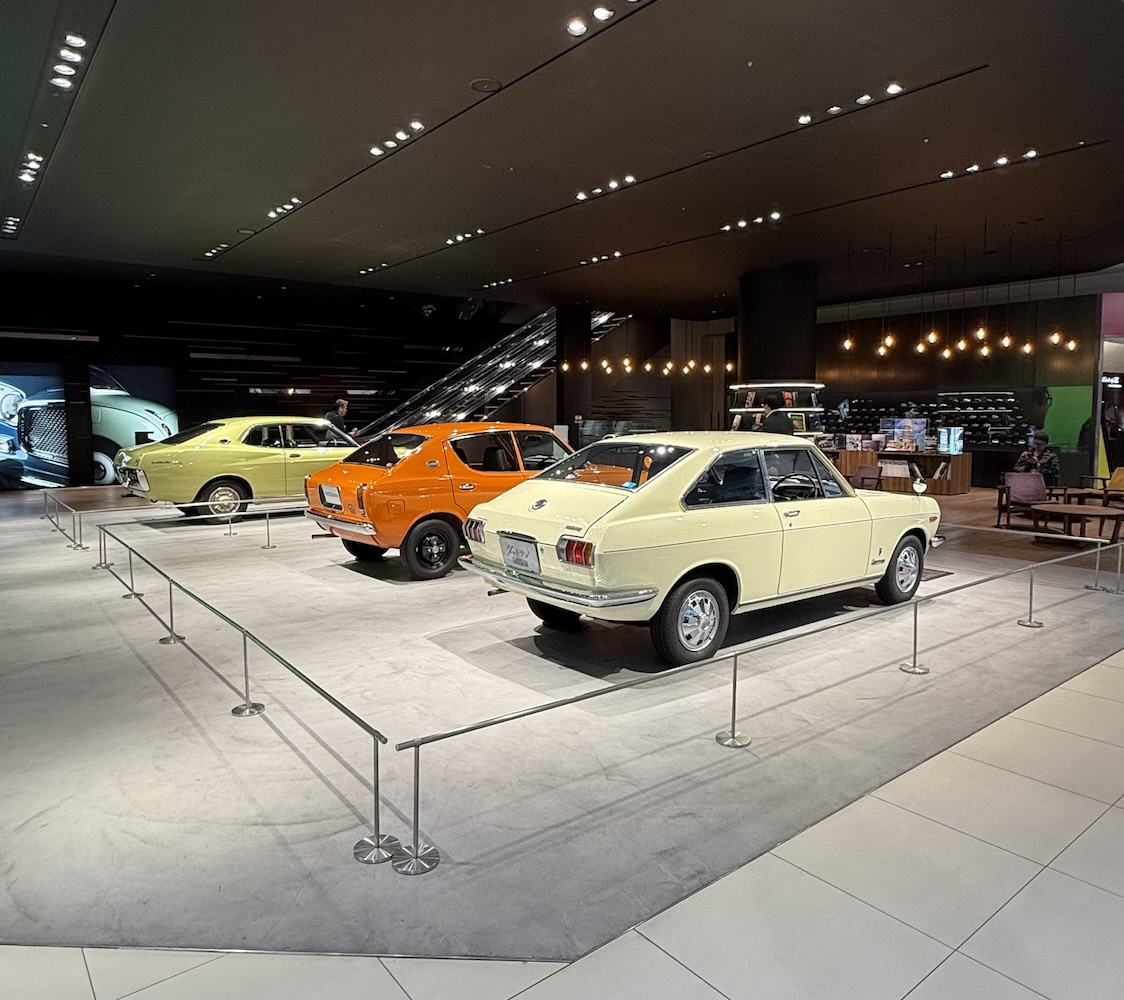
This is one of the best showroom-style automotive stops in the Tokyo area. It is more substantial than Nissan Crossing if you care about brand history, GT-R lineage, and seeing a stronger mix of production models, special displays, and occasional heritage cars.
Best for:
- visitors staying in Tokyo or Yokohama
- an easy brand-history stop without leaving the city
- Nissan fans who want more than a quick showroom loop
Why it works well:
-
easy access from Yokohama Station
-
better sense of Nissan’s modern lineup and public brand presentation
-
occasional heritage displays connected to the Zama collection
3. Fuji Motorsports Museum
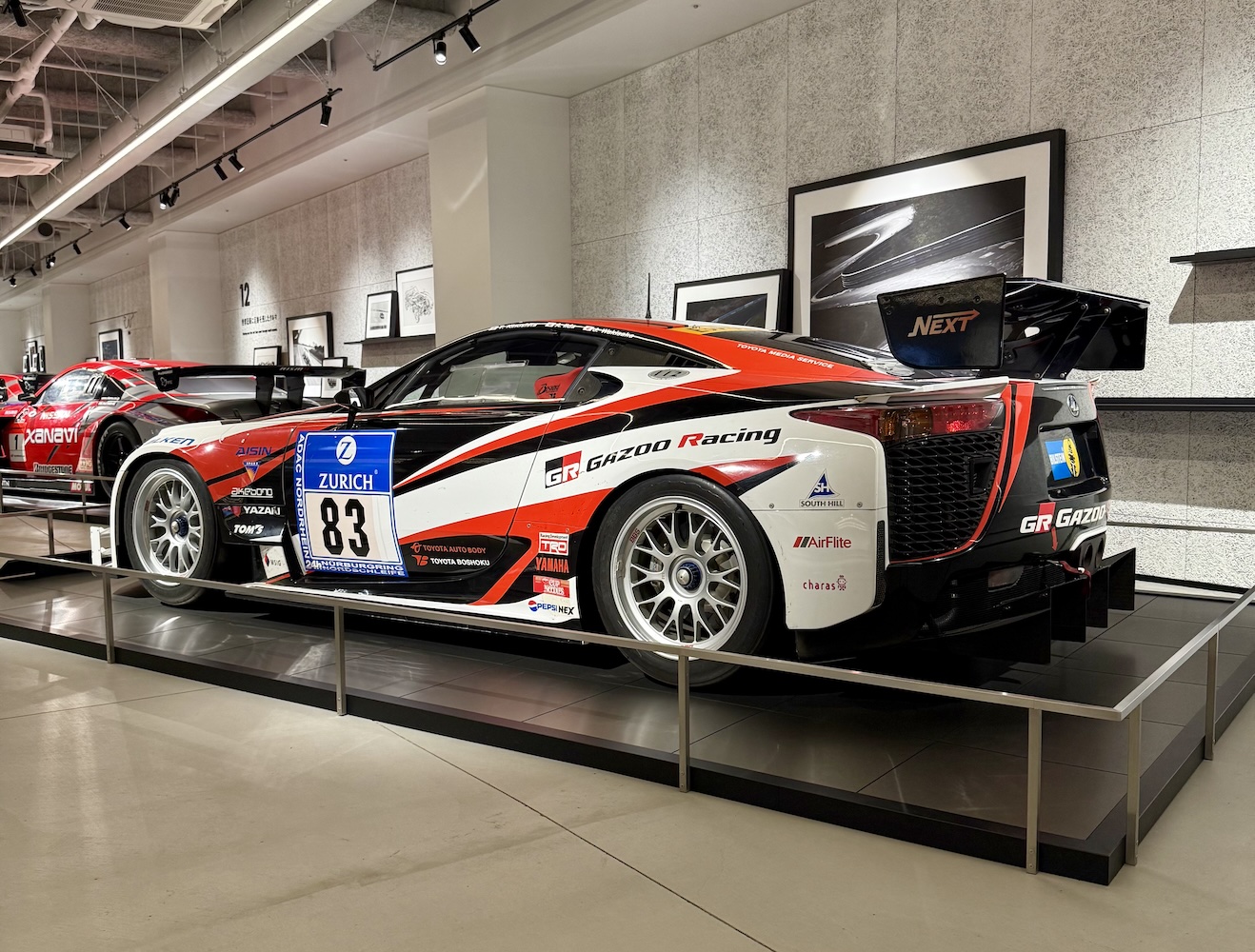
If your interests lean toward racing, this is the strongest automotive museum stop in Japan right now. Located beside Fuji Speedway and integrated into the Fuji Speedway Hotel complex, it connects motorsport history with one of the most important car-culture destinations in the country.
The collection is broad enough to appeal beyond Toyota or Japanese-only fandom. You get Japanese motorsport context, but also a much wider global racing story through endurance cars, Formula 1 machinery, and manufacturer heritage.
Best for:
- motorsport fans
- Fuji-area itineraries
- pairing museum time with live events or circuit visits
Why it works well:
-
directly tied to a major circuit destination
-
stronger motorsport focus than most Japanese museum stops
-
easy to combine with Fuji Speedway, track days, or Fuji event weekends
4. Toyota Automobile Museum
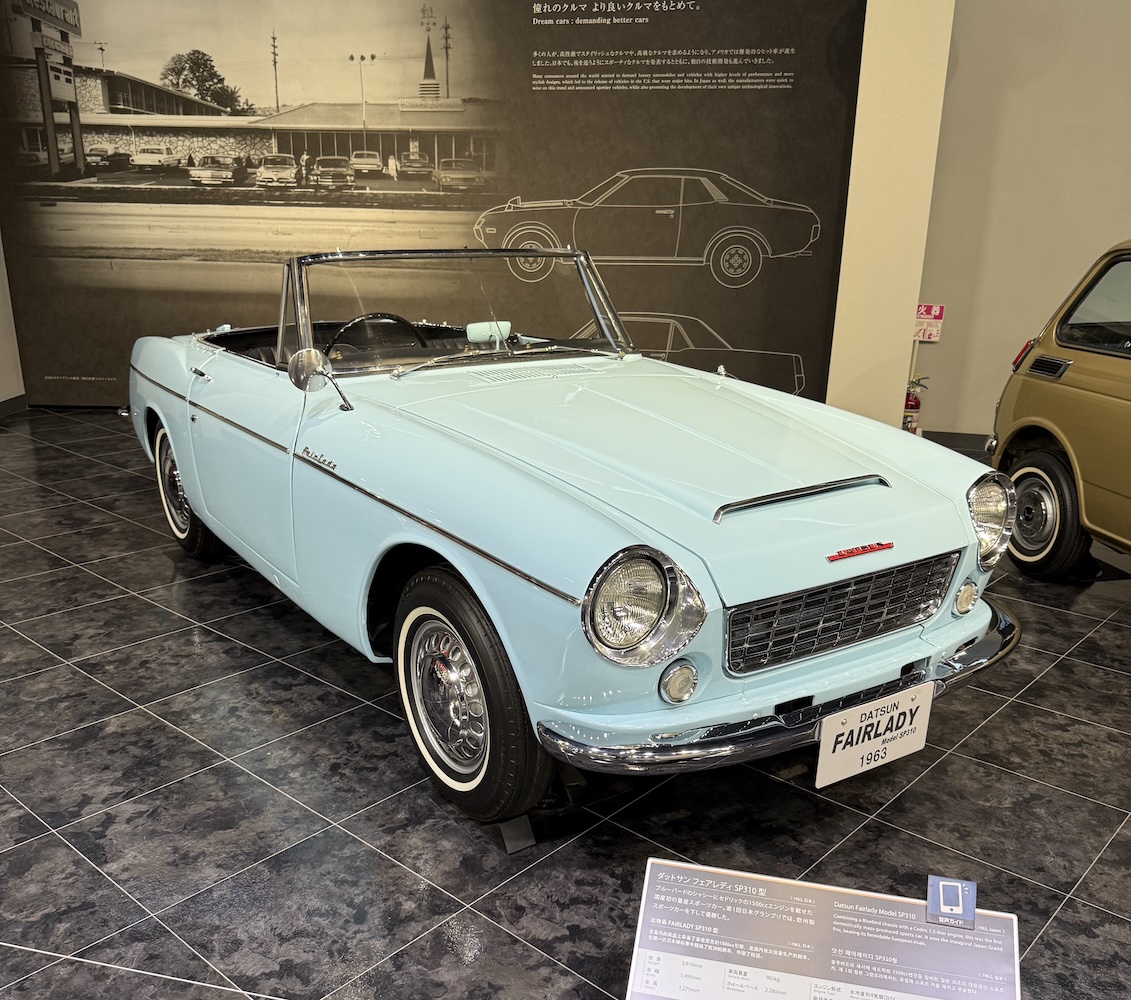
This is one of the most complete automotive museums in Japan and arguably the strongest pure museum experience if you care about automotive history beyond one brand. Despite the name, it is not only about Toyota. The broader collection gives it much more depth than a standard corporate museum.
Best for:
- first-time museum visitors
- people who want a wider automotive-history view
- serious enthusiasts who do not want only a showroom experience
Why it works well:
-
broad historical collection
-
international scope
-
one of the easiest “must-visit” recommendations if you are already going to the Nagoya area
5. Toyota Commemorative Museum of Industry and Technology
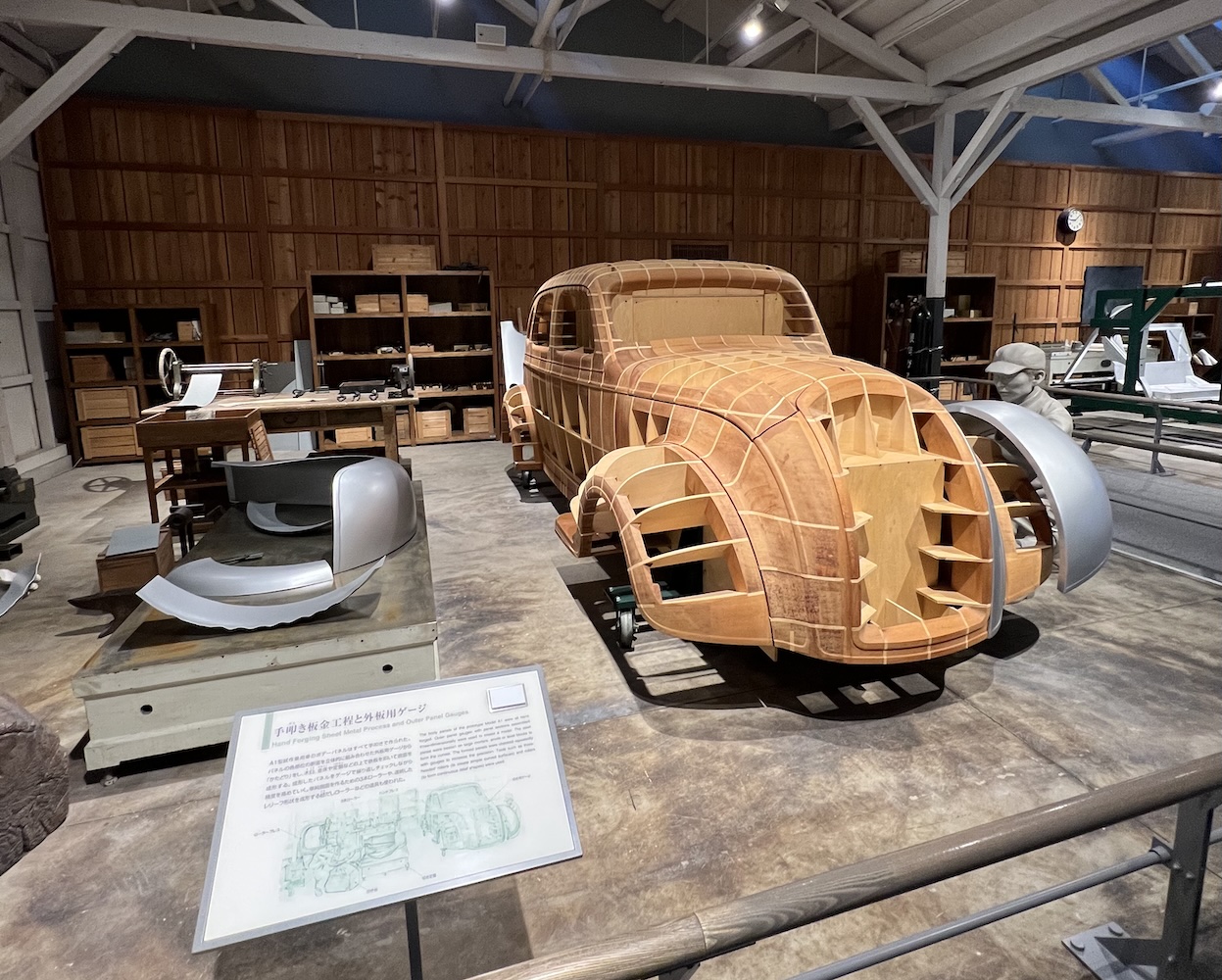
This is slightly different from a straight car museum, but it is still one of the most useful automotive-adjacent stops in Japan if you care about engineering and industrial history. It explains how Toyota evolved from textile machinery into a manufacturing giant, which gives the automotive story much more context.
Best for:
- engineering-minded visitors
- families
- people interested in Japanese industrial history, not just collector cars
Why it works well:
-
more context-heavy than display-heavy
-
good complement to the Toyota Automobile Museum
-
useful if you want to understand Toyota as an industrial institution, not just a car brand
6. Nissan Heritage Collection, Zama
For Nissan road-car and motorsport history, consider a reserved visit to the collection at Nissan's Zama site in Kanagawa. Nissan describes around 500 vehicles in the collection, with roughly 280 available to view; cars move for maintenance and outside displays, so a particular vehicle is not guaranteed.
The published tour takes about 90 minutes, with Japanese commentary and English smartphone audio. Book before building a day around it: reservations normally open at noon Japan time on the 5th for the following month, with holiday exceptions.
Our Nissan Heritage Collection guide covers the booking process, train and bus approaches, the District 2 entrance and photography. Check Nissan's visitor information for the current rules.
Check the Practical Details Before Visiting
- Nissan Crossing: Ginza, Tokyo; normally 10:00–20:00 with irregular closures. Check the official access page.
- Nissan headquarters gallery: Yokohama; currently 10:00–18:00 weekdays and 10:00–20:00 weekends/holidays. Its café has separate hours. The official gallery site lists closure days and current exhibits.
- Nissan Heritage Collection: Zama, Kanagawa; entry is by reserved tour. Use the visit guide to plan the journey and check-in.
- Fuji Motorsports Museum: 645 Omika, Oyama, Shizuoka, in the hotel complex. Museum tickets and hours are separate from circuit admission; check the museum calendar.
- Toyota Automobile Museum: Nagakute, east of Nagoya. Normally 9:30–17:00, last entry 16:30; Mondays closed (the next day when Monday is a holiday), plus New Year. Check the opening calendar.
- Toyota Commemorative Museum: Nagoya itself, at 4-1-35 Noritake-shinmachi. Its visitor information lists 9:30–17:00, last entry 16:30, with the same normal Monday/holiday closure pattern. Check the dated calendar for exceptions.
These are separate venues with changing exhibitions. No particular heritage car is guaranteed to be on display.
Best Museum by Region
Best Around Tokyo
- Nissan Crossing
- Nissan Global Headquarters Gallery
- Nissan Heritage Collection, Zama, by advance reservation
Nissan Crossing is in Tokyo; the headquarters gallery is in Yokohama, and the Heritage Collection is in Zama, both in Kanagawa. Allow separate travel time for each, and book Zama before committing to that day.
Best Near Fuji
- Fuji Motorsports Museum
This is the strongest choice if your trip already includes Fuji Speedway, motorsport events, or a wider Shizuoka driving route.
Best Near Nagoya
- Toyota Automobile Museum
- Toyota Commemorative Museum of Industry and Technology
These are excellent if you are building a broader central-Japan automotive itinerary.
Which Museum Is Best for You?
Choose Fuji Motorsports Museum if:
- you care about racing
- you are already heading to Fuji Speedway
- you want the strongest motorsport-oriented museum experience
Choose Toyota Automobile Museum if:
- you want the most complete all-round car museum
- you care about automotive history beyond one brand
Choose Nissan Crossing if:
- you just want one easy Tokyo stop
- your time is limited
Choose Toyota Commemorative Museum if:
- you care about industry, engineering, and how cars are made
How to Fit Museums into a Japan Car Trip
The best way to use these stops is not to treat them as isolated detours.
Good combinations:
- Tokyo trip: Nissan Crossing + Tokyo car spotting + A PIT Shinonome
- Nissan history day: a reserved Zama collection tour, with time for the journey and one optional extra stop
- Fuji trip: Fuji Motorsports Museum + Fuji Speedway guide + track days
- Nagoya trip: Toyota Automobile Museum + Toyota Commemorative Museum
If you are planning a broader itinerary, the new Tokyo car culture trip guide can help you connect museums with shops, spotting, and events.
Final Thoughts
The best car museum in Japan depends on what kind of enthusiast you are. If you want motorsport atmosphere, Fuji is the answer. If you want the broadest historical collection, Toyota Automobile Museum is the one to prioritize. If you just want an easy, well-located automotive stop in Tokyo, Nissan Crossing and the Yokohama headquarters gallery are the simplest wins.
The key is choosing the museum that fits the trip you are already building, instead of trying to treat every stop as interchangeable.
Japan Car Museums FAQ
What is the best car museum in Japan?
For pure motorsport interest, Fuji Motorsports Museum is the standout. For broader automotive history, Toyota Automobile Museum is one of the strongest overall choices.
Is there a good car museum in Tokyo itself?
Tokyo has strong showroom-style stops such as Nissan Crossing, but the deepest full museum experiences are stronger outside central Tokyo.
Is Fuji Motorsports Museum worth visiting if I am not attending a race?
Yes. It works well as a standalone stop, but it becomes even better if you pair it with a Fuji Speedway visit, event weekend, or wider Fuji-area itinerary.
Should I choose Toyota Automobile Museum or Toyota Commemorative Museum?
If you want cars first, choose Toyota Automobile Museum. If you care more about industrial history and engineering context, choose the Commemorative Museum.

Hi, I’m Alf.
I built JDM Guide to help fellow enthusiasts explore Japan’s car culture. I hand-pick events with a focus on Tokyo and Kanto. On Instagram, I share car events, things I discover, and adventures with my GR Yaris.
Free weekly newsletter
This Week in Japan Car Culture
Upcoming meets, shows, and track days—plus important booking deadlines and useful guides.
Every Monday morning, Japan time.
Related Guides